


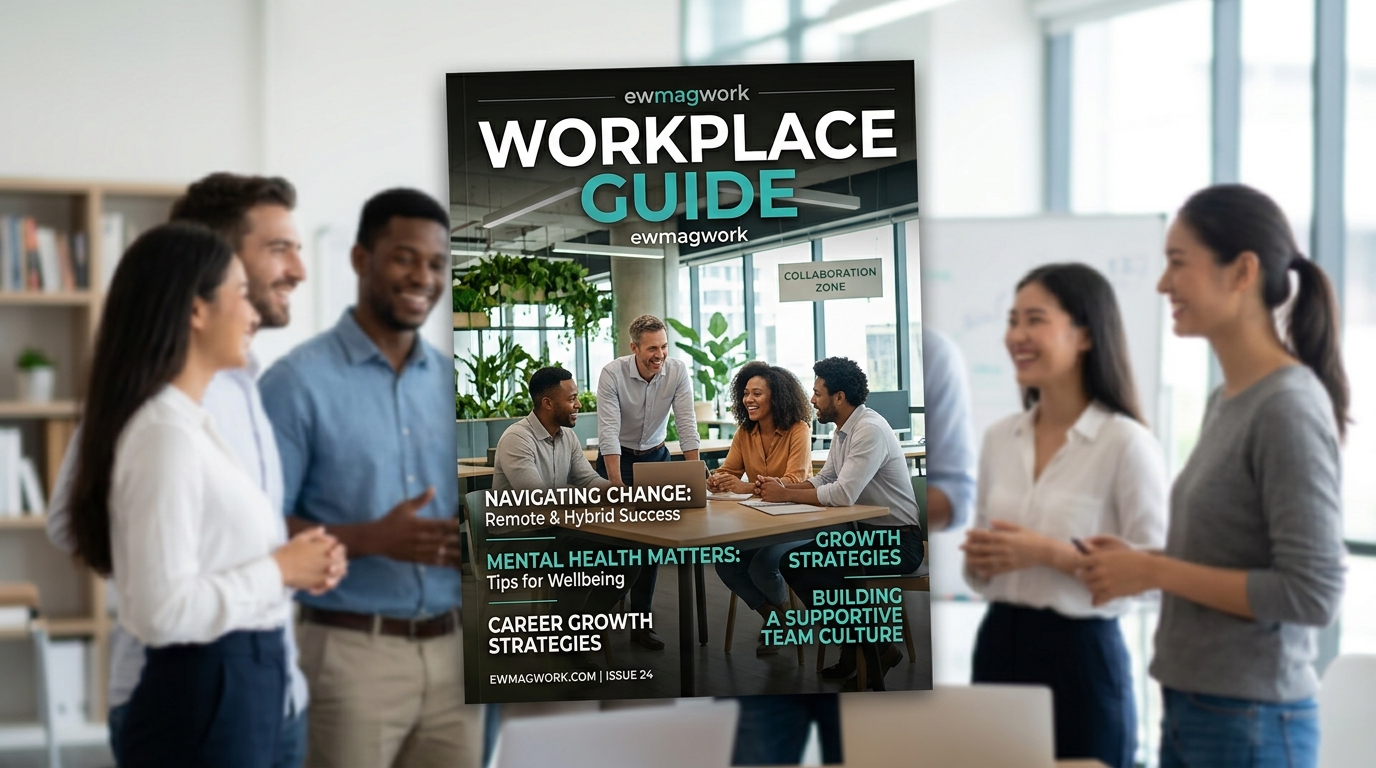
Modern workplaces continue to evolve rapidly. Businesses across the United States are adopting new technologies, flexible work models, and employee-focused strategies to improve performance. This workplace guide ewmagwork provides practical insights for employers, managers, and employees who want to create a productive and positive work environment in 2026.
Whether you work in a small business or a large corporation, understanding workplace expectations, communication methods, and productivity techniques is essential. This guide explains everything you need to know in simple terms.
What Is Workplace Guide EWMagWork?
The workplace guide ewmagwork is a comprehensive approach to understanding modern workplace practices. It focuses on helping organizations improve employee satisfaction, collaboration, productivity, and overall business performance.
In today’s competitive environment, workplaces must adapt to changing employee expectations. Companies that prioritize communication, flexibility, and professional development often achieve better results than those using outdated management methods.
This guide serves as a roadmap for creating a successful workplace where both employees and organizations can thrive.
Why Workplace Success Matters in 2026
Workplace success directly impacts business growth. Employees who feel supported and valued are more likely to remain engaged and productive.
Several factors make workplace improvement especially important in 2026:
Increased Competition for Talent
Skilled professionals have more employment options than ever before. Organizations must create attractive workplace environments to recruit and retain top talent.
Employee Well-Being Focus
Companies now recognize that employee wellness contributes to better performance. Mental health support, flexible schedules, and work-life balance have become major priorities.
Digital Transformation
Technology continues to reshape how teams collaborate and complete tasks. Businesses must stay updated to remain competitive.
Key Elements of a Modern Workplace

A successful workplace includes several essential components.
Clear Communication
Employees need accurate information to perform effectively. Clear communication reduces confusion and improves teamwork.
Defined Goals
Organizations should establish measurable objectives. Employees perform better when they understand expectations and priorities.
Professional Development
Training opportunities help workers develop new skills. Continuous learning supports both individual and organizational growth.
Workplace Inclusion
Inclusive workplaces encourage diversity and equal opportunities. Employees feel more comfortable contributing ideas when everyone is respected.
Effective Workplace Communication
Communication remains one of the most important topics discussed in the workplace guide ewmagwork.
Encourage Open Dialogue
Employees should feel comfortable sharing concerns, suggestions, and feedback. Open communication builds trust throughout the organization.
Use Multiple Communication Channels
Modern workplaces utilize:
- Team messaging platforms
- Video conferencing
- Project management software
- In-person meetings
Using multiple channels ensures information reaches employees effectively.
Practice Active Listening
Listening is just as important as speaking. Managers who actively listen often identify workplace issues before they become serious problems.
Employee Productivity Strategies
Productivity is a key focus of every workplace guide ewmagwork strategy.
Set Priorities
Employees should identify high-impact tasks first. Prioritization improves efficiency and reduces stress.
Reduce Workplace Distractions
Limiting unnecessary meetings and interruptions allows employees to focus on meaningful work.
Promote Time Management
Time management techniques include:
- Daily planning
- Task scheduling
- Goal tracking
- Project milestones
These methods help employees stay organized and productive.
Recognize Achievements
Recognition motivates employees. Celebrating accomplishments encourages continued high performance.
Workplace Culture and Employee Engagement
Strong workplace culture influences employee satisfaction and retention.
Build Trust
Trust forms the foundation of successful workplace relationships. Leaders should demonstrate honesty, transparency, and accountability.
Encourage Collaboration
Team collaboration leads to innovative solutions and stronger workplace connections.
Support Employee Growth
Organizations should provide mentorship programs, workshops, and career advancement opportunities.
Create a Positive Environment
Positive workplaces often experience:
- Higher productivity
- Lower turnover
- Better morale
- Stronger teamwork
These benefits contribute to long-term success.
Remote and Hybrid Work Best Practices
Remote and hybrid work remain common across the United States in 2026.
Establish Clear Expectations
Employees need guidelines regarding work hours, communication standards, and performance expectations.
Invest in Technology
Reliable technology supports efficient remote collaboration.
Common tools include:
- Video conferencing software
- Cloud storage platforms
- Collaboration applications
- Project management systems
Maintain Team Connections
Virtual team-building activities help employees stay connected and engaged despite physical distance.
Leadership Tips for Managers
Managers play a critical role in implementing workplace guide ewmagwork principles.
Lead by Example
Employees often follow leadership behavior. Managers should demonstrate professionalism and accountability.
Provide Regular Feedback
Constructive feedback helps employees improve performance and achieve goals.
Empower Team Members
Empowered employees tend to be more engaged and innovative. Managers should encourage decision-making and ownership.
Resolve Conflicts Quickly
Addressing workplace conflicts early prevents larger problems from developing.
Workplace Technology Trends in 2026
Technology continues to transform workplace operations.
Artificial Intelligence Tools
AI helps automate repetitive tasks, allowing employees to focus on higher-value activities.
Employee Experience Platforms
Organizations increasingly use digital platforms to improve communication, training, and engagement.
Data Analytics
Business leaders rely on workplace analytics to measure productivity and identify improvement opportunities.
Cybersecurity Awareness
As digital workplaces expand, cybersecurity training becomes increasingly important.
Common Workplace Challenges
Even successful organizations face challenges.
Employee Burnout
Heavy workloads and stress can negatively affect performance. Employers should encourage healthy work habits.
Communication Gaps
Miscommunication often leads to project delays and workplace frustration.
Resistance to Change
Employees may hesitate to adopt new processes. Effective change management can reduce resistance.
Talent Retention
Keeping skilled employees requires competitive benefits, career development opportunities, and positive workplace culture.
guide ewmagwork emphasizes the importance of continuous learning because skilled employees contribute more effectively to business success. Organizations that invest in training often experience improved productivity, higher employee satisfaction, and stronger retention rates.
Benefits of Workplace Training
Effective training programs provide several advantages:
- Improved employee performance
- Increased workplace confidence
- Better problem-solving abilities
- Stronger leadership pipelines
- Greater adaptability to change
Employees who receive regular training are often more engaged because they see opportunities for personal and professional growth.
Types of Workplace Training
Modern organizations utilize various training methods, including:
Onboarding Programs
New employees need proper orientation to understand company policies, procedures, and expectations.
Technical Skills Training
Technology continues to evolve rapidly. Employees must stay current with industry tools and software.
Leadership Development
Future leaders benefit from management training, communication workshops, and mentoring programs.
Compliance Training
Organizations must ensure employees understand legal, ethical, and workplace safety requirements.
By implementing these training programs, companies create a workforce that is prepared for future challenges.
Building Strong Workplace Relationships
Strong professional relationships contribute significantly to workplace success. Employees who trust and respect one another collaborate more effectively and create a healthier work environment.
The workplace guide ewmagwork encourages organizations to foster relationship-building activities that strengthen workplace connections.
Encourage Team Collaboration
Successful collaboration involves:
- Clear communication
- Shared goals
- Mutual respect
- Constructive feedback
- Problem-solving together
Teams that collaborate effectively often complete projects faster and produce higher-quality results.
Promote Workplace Respect
Respect is essential in every professional environment. Employees should feel valued regardless of their position, background, or experience level.
Respectful workplaces often experience:
- Reduced conflict
- Improved morale
- Better employee retention
- Enhanced productivity
Support Mentorship Programs
Mentorship programs allow experienced professionals to guide newer employees. These relationships help workers develop skills, gain confidence, and navigate career challenges.
Organizations that implement mentorship programs often see stronger employee engagement and career development outcomes.
Workplace Wellness and Employee Well-Being
Employee wellness has become a major priority for businesses throughout the United States. Modern employers recognize that healthy employees are more productive, focused, and engaged.
The workplace guide ewmagwork highlights wellness as a critical component of long-term organizational success.
Physical Wellness
Employers can support physical health through:
- Wellness initiatives
- Ergonomic workstations
- Fitness incentives
- Health education programs
Healthy employees often experience fewer workplace absences and higher productivity levels.
Mental Health Support
Mental health awareness continues to grow in importance. Organizations should create environments where employees feel comfortable discussing workplace stress and seeking support when needed.
Examples of mental health support include:
- Employee assistance programs
- Flexible scheduling
- Stress management workshops
- Access to counseling resources
Work-Life Balance
Maintaining a healthy balance between work and personal life helps prevent burnout. Flexible work arrangements and reasonable workload expectations can significantly improve employee satisfaction.
Measuring Workplace Success
Organizations need measurable indicators to determine whether workplace improvements are effective.
The workplace guide ewmagwork recommends tracking key performance metrics regularly.
Employee Engagement Scores
Employee surveys provide valuable insights into workplace satisfaction and morale.
Common engagement metrics include:
- Job satisfaction
- Team collaboration
- Leadership effectiveness
- Career growth opportunities
Employee Retention Rates
High retention rates often indicate a positive workplace environment. Monitoring turnover trends helps organizations identify areas for improvement.
Productivity Metrics
Businesses can evaluate productivity through:
- Project completion rates
- Revenue growth
- Goal achievement
- Operational efficiency
Tracking these indicators helps leaders make informed decisions about workplace strategies.
Future of the American Workplace Beyond 2026
The future workplace will likely continue evolving as technology, employee expectations, and business models change.
Several developments are expected to shape the coming years.
Greater AI Integration
Artificial intelligence will continue supporting administrative tasks, data analysis, customer service, and workflow automation.
Personalized Employee Experiences
Organizations increasingly tailor benefits, learning opportunities, and workplace experiences to individual employee needs.
Skills-Based Hiring
Many employers are shifting focus from traditional qualifications toward demonstrated skills and competencies.
Flexible Work Models
Hybrid and remote work options are expected to remain important components of workforce planning.
Businesses that adapt to these trends will be better positioned for sustainable growth.
Conclusion
The workplace guide ewmagwork provides valuable insights for organizations seeking success in 2026. Businesses that prioritize communication, employee well-being, productivity, leadership, and technology are better positioned to achieve long-term growth.
By applying the strategies outlined in this workplace guide ewmagwork, employers can create environments where employees feel valued, motivated, and empowered. As workplace expectations continue to evolve, organizations that embrace positive change will remain competitive and successful.
Frequently Asked Questions
What is workplace guide ewmagwork?
Workplace guide ewmagwork is a resource that helps organizations improve communication, productivity, leadership, and workplace culture.
Why is workplace culture important?
A positive workplace culture increases employee engagement, satisfaction, retention, and overall business performance.
How can companies improve employee productivity?
Companies can improve productivity through clear goals, effective communication, time management practices, and employee recognition programs.
What are the biggest workplace trends in 2026?
Major trends include artificial intelligence adoption, hybrid work models, employee well-being initiatives, and advanced collaboration technologies.
How can managers create a better workplace?
Managers can build better workplaces by leading effectively, providing feedback, encouraging collaboration, supporting professional growth, and maintaining open communication.
