


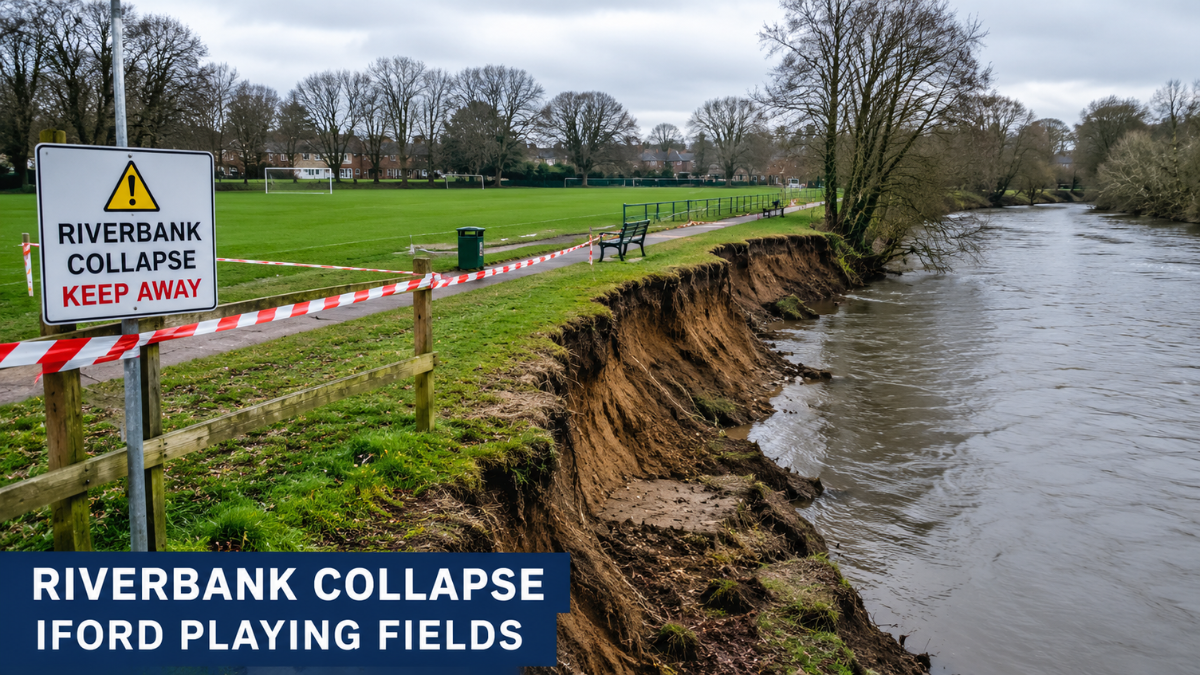
The issue of riverbank collapse Iford Playing Fields has gained attention due to increasing concerns about erosion, flooding, and land stability in public green spaces. In 2026, environmental changes and weather extremes are making riverbank areas more vulnerable than ever.
Understanding riverbank collapse Iford Playing Fields is important for residents, visitors, and local planners because it affects safety, recreation, and long-term environmental health. This guide explains everything in a simple and practical way so you can stay informed and prepared.
What is Riverbank Collapse Iford Playing Fields
The term riverbank collapse Iford Playing Fields refers to the gradual or sudden erosion of soil along the river edge near Iford Playing Fields. Over time, water flow weakens the soil structure, causing parts of the riverbank to fall into the water.
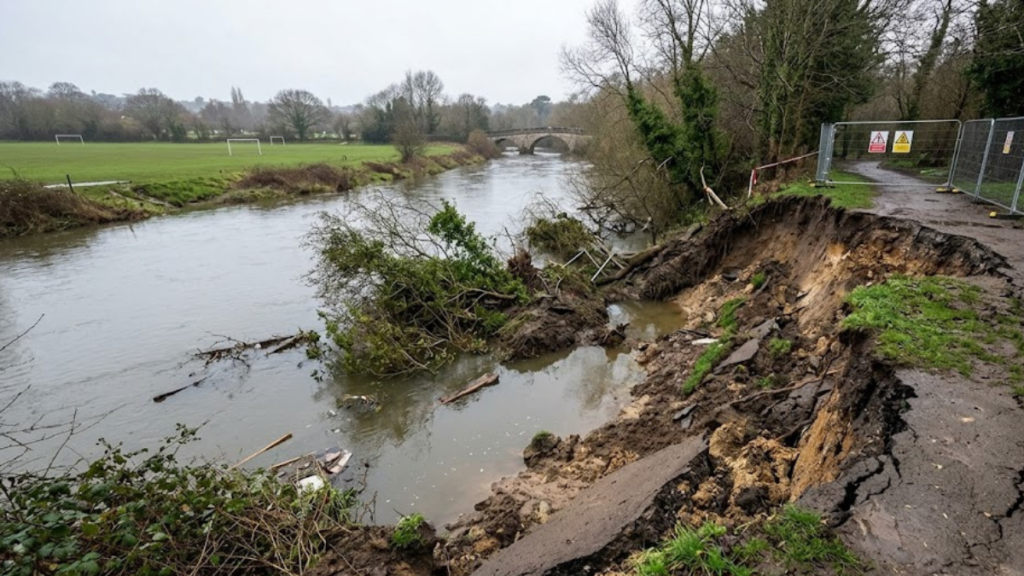
This process is natural but becomes a concern when it affects public areas, walking paths, or nearby infrastructure. In many cases, it can lead to uneven ground, restricted access, and safety hazards for the public.
The riverbank collapse Iford Playing Fields situation is closely monitored because the area is used for recreation, sports, and community activities.
Why Riverbank Collapse Iford Playing Fields Happens
Several natural and human-related factors contribute to riverbank collapse Iford Playing Fields. Understanding these causes helps in managing the risk effectively.
Continuous Water Flow
Rivers constantly shape their surroundings. Strong currents gradually wear away the soil, especially during heavy rainfall seasons.
Heavy Rain and Flooding
Sudden rainfall increases water pressure, which speeds up erosion. This is one of the biggest drivers behind riverbank collapse Iford Playing Fields.
Weak Soil Structure
Some riverbanks contain loose or sandy soil that cannot hold its shape for long periods.
Vegetation Loss
Plants and tree roots normally stabilize riverbanks. When vegetation is reduced, erosion happens faster.
Human Activity
Foot traffic, construction, and nearby land use can weaken the natural structure of the river edge.
Environmental and Local Impact
The riverbank collapse Iford Playing Fields issue does not only affect land stability. It also impacts the surrounding environment and community.
Wildlife habitats can be disrupted when soil and vegetation are washed away. Birds, insects, and small aquatic species may lose nesting or breeding areas.
For the local community, riverbank collapse Iford Playing Fields can reduce usable space in the playing fields and create fenced-off danger zones. This affects sports activities, walking paths, and general public enjoyment.
Sediment from collapsing banks may also affect water quality downstream, increasing maintenance needs for local authorities.
Safety Risks and Public Concerns
Safety is one of the main concerns linked with riverbank collapse Iford Playing Fields. Unstable ground can lead to accidents, especially for children, joggers, and pet owners using the area.
Key risks include:
- Sudden ground sinking near the river edge
- Hidden cracks under grass or soil
- Slippery surfaces after rainfall
- Restricted access zones due to safety fencing
Local authorities often monitor riverbank collapse Iford Playing Fields closely to prevent injuries and ensure safe public access.
Prevention and Restoration Efforts
Managing riverbank collapse Iford Playing Fields requires both short-term protection and long-term environmental planning.
Reinforcement Techniques
Engineers often use rock armoring or wooden barriers to slow down water erosion.
Replanting Vegetation
Reintroducing native plants helps stabilize soil naturally. Roots act as anchors that reduce erosion risk.
Drainage Improvements
Better water management systems reduce pressure on riverbanks during heavy rain.
Regular Monitoring
Frequent inspections help detect early signs of riverbank collapse Iford Playing Fields, allowing quick intervention.
What Residents and Visitors Should Do
If you visit or live near the area, staying alert is important. Even though riverbank collapse Iford Playing Fields is managed by local authorities, public awareness plays a big role in safety.
Here are simple steps to follow:
- Avoid walking too close to the river edge
- Follow warning signs and fenced areas
- Report visible cracks or erosion to local authorities
- Stay away during heavy rainfall or flooding conditions
Being cautious helps reduce risks and supports ongoing safety efforts.
You can also check local updates or related topics like:
- /flood-risk-guide
- /river-restoration-projects
- /local-park-safety-updates
Future Outlook in 2026
In 2026, environmental experts expect increased attention on riverbank collapse Iford Playing Fields due to changing weather patterns. More intense rainfall events may continue to challenge riverbank stability.
However, with improved engineering methods and environmental planning, long-term recovery is possible. Restoration projects are focusing on sustainability, natural reinforcement, and community safety.
The future of riverbank collapse Iford Playing Fields management depends on continuous monitoring and proactive maintenance rather than reactive repairs.
Insights on Riverbank Collapse Iford Playing Fields (2026 Update)
The situation around riverbank collapse Iford Playing Fields continues to evolve as environmental monitoring improves. In 2026, local authorities are focusing more on predictive maintenance rather than reacting after damage happens.
Instead of waiting for visible collapse, teams now track early warning signs like soil movement, moisture levels, and bank angle changes near Iford Playing Fields. This helps reduce sudden hazards and allows faster intervention.
Modern Monitoring Techniques Used in 2026
One of the biggest improvements in managing riverbank collapse Iford Playing Fields is the use of technology. Monitoring is no longer done only through manual inspections.
Drone Surveys
Drones are used to capture high-resolution images of the riverbank. These images help identify weak points before visible collapse happens.
Ground Sensors
Sensors placed in the soil measure movement, moisture, and pressure changes. These readings help detect early signs of instability.
Satellite Mapping
Satellite data gives a broader view of erosion patterns over time. This helps experts understand long-term changes linked to riverbank collapse Iford Playing Fields.
AI-Based Prediction Models
Artificial intelligence systems analyze weather patterns and soil data to predict when erosion risk is highest.
These tools make prevention more accurate and reduce the chance of unexpected damage.
Role of the Local Community
Community involvement plays a bigger role than many people realize in managing riverbank collapse Iford Playing Fields.
Residents and visitors are often the first to notice changes such as cracks, leaning trees, or unusual soil shifts. Reporting these early signs helps authorities respond faster.
Simple actions that support safety include:
- Reporting erosion spots immediately
- Avoiding damaged or restricted areas
- Respecting fencing and warning signs
- Sharing awareness with other visitors
When the public stays informed, the risk linked to riverbank collapse Iford Playing Fields becomes easier to manage.
Long-Term Environmental Balance
A major focus in 2026 is balancing safety with nature. The goal is not just to stop riverbank collapse Iford Playing Fields, but to restore the natural ecosystem at the same time.
Instead of heavy artificial structures alone, planners now combine engineering with ecological methods like:
- Native plant restoration
- Controlled water flow adjustments
- Natural riverbank reshaping
- Wildlife habitat protection
This approach ensures the area remains both safe and environmentally healthy.
Common Misunderstandings About Riverbank Collapse
There are a few common myths about riverbank collapse Iford Playing Fields that can cause confusion.
It happens suddenly without warning
In reality, erosion usually builds up slowly over time before any visible collapse occurs.
It only happens during floods
Floods speed up the process, but erosion can happen even during normal weather conditions.
It can be fully stopped
No riverbank is completely permanent. The goal is control and management, not total prevention.
Understanding these facts helps people react more calmly and responsibly.
Practical Tips for Visitors in 2026
If you plan to visit the area around Iford Playing Fields, these simple tips help you stay safe:
- Stick to marked paths only
- Avoid river edges, especially after rain
- Do not ignore temporary fencing
- Keep children and pets away from unstable zones
- Check weather conditions before visiting
These habits significantly reduce risks connected to riverbank collapse Iford Playing Fields.
Conclusion
The issue of riverbank collapse Iford Playing Fields is an important environmental and safety concern in 2026. While natural erosion is unavoidable, effective planning and community awareness can reduce risks significantly.
With ongoing restoration efforts and responsible public behavior, the area around Iford Playing Fields can remain safe and usable for years to come.
FAQs
What causes riverbank collapse Iford Playing Fields?
It is mainly caused by erosion, heavy rainfall, weak soil, and reduced vegetation along the river edge.
Is riverbank collapse Iford Playing Fields dangerous?
Yes, it can be unsafe due to unstable ground, hidden cracks, and potential sudden soil movement.
Can riverbank collapse be stopped completely?
It cannot be fully stopped, but it can be controlled with proper engineering and environmental management.
Who manages riverbank collapse Iford Playing Fields?
Local environmental and park authorities typically handle monitoring, repairs, and safety measures.
How can visitors stay safe?
By staying away from river edges, following warning signs, and avoiding the area during bad weather conditions.
