


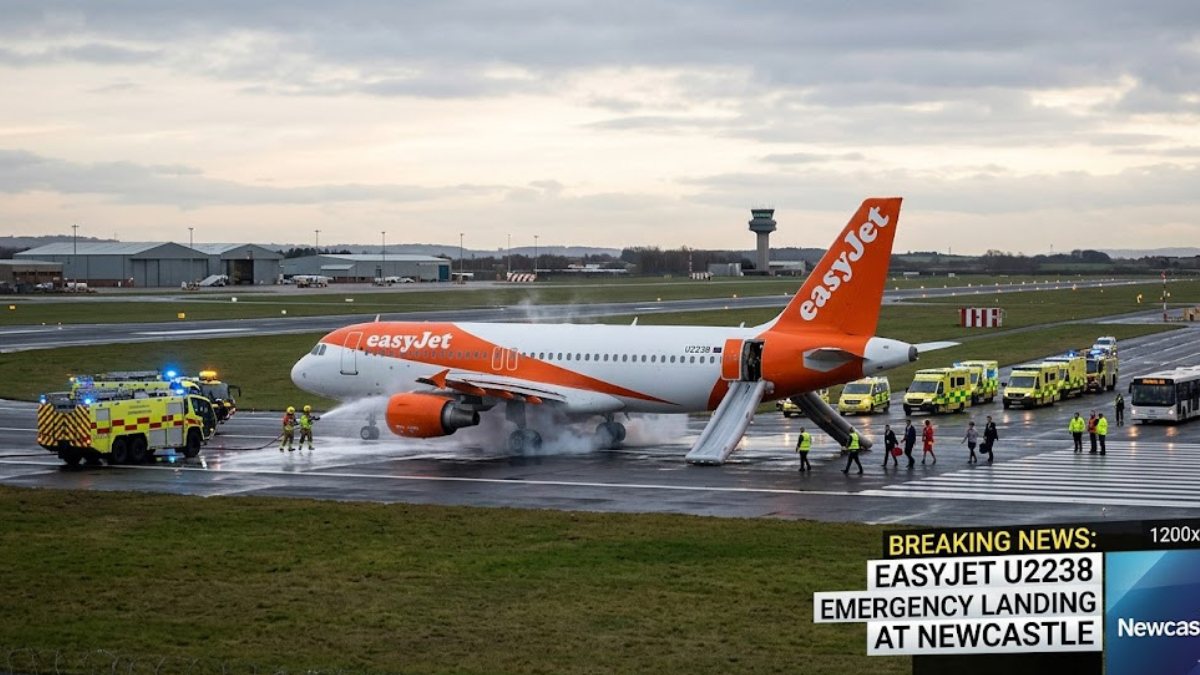
The easyjet flight u2238 emergency landing newcastle incident became a major topic among travelers and aviation followers after reports confirmed that the aircraft made an unscheduled emergency landing in Newcastle. Many passengers wanted answers about what caused the diversion, how the crew handled the situation, and whether everyone onboard remained safe.
In this updated 2026 guide, you will learn the latest available information about the incident, emergency aviation procedures, passenger experiences, and what travelers can learn from the situation.
Possible Reasons Behind the EasyJet Flight U2238 Emergency Landing Newcastle Incident
One of the biggest questions surrounding the easyjet flight u2238 emergency landing newcastle incident is the exact reason behind the diversion.
Although official reports may vary depending on ongoing investigations, several common factors can lead to an EasyJet emergency landing in Newcastle or similar aviation incidents.
Technical Issues on EasyJet Flight U2238
Modern aircraft systems constantly monitor engine performance, cabin pressure, hydraulics, navigation systems, and onboard electronics. Even a small warning alert can cause pilots to request an emergency diversion during the easyjet flight u2238 emergency landing newcastle situation to ensure passenger safety.
Medical Emergencies During the Flight
In some cases, flights make unscheduled landings because a passenger or crew member needs urgent medical treatment. Medical emergencies are one of the most common reasons behind emergency diversions on commercial airlines.
Smoke or Burning Smell Reports
Airlines take smoke warnings very seriously. Even a minor electrical smell or suspected smoke issue can trigger emergency landing procedures. During incidents like the easyjet flight u2238 emergency landing newcastle, pilots follow strict safety protocols to avoid potential risks.
Weather or Operational Concerns
Severe weather conditions, runway limitations, or airport operational problems may also force aircraft to divert. Pilots always choose the safest available option when dealing with changing flight conditions.
In most aviation incidents, pilots follow a strict “safety first” approach. That means the crew of EasyJet flight U2238 would prioritize landing at the nearest suitable airport instead of continuing the scheduled route.
What Happened on EasyJet Flight U2238?
The easyjet flight u2238 emergency landing newcastle event involved an EasyJet aircraft that was forced to divert and land safely at Newcastle Airport after a reported onboard issue. According to passenger accounts and aviation tracking information, the flight crew quickly informed air traffic control about the situation and requested priority landing assistance.
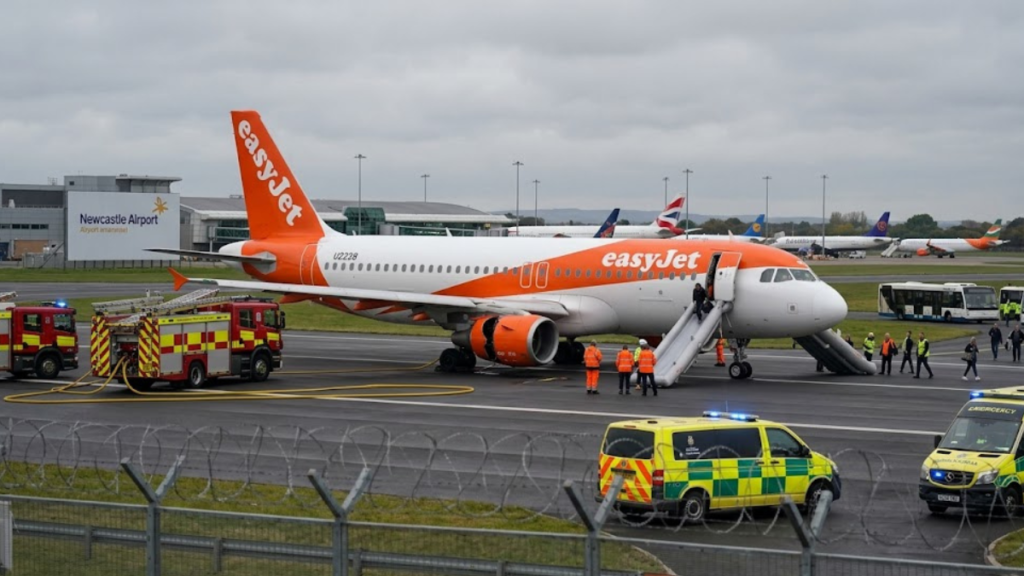
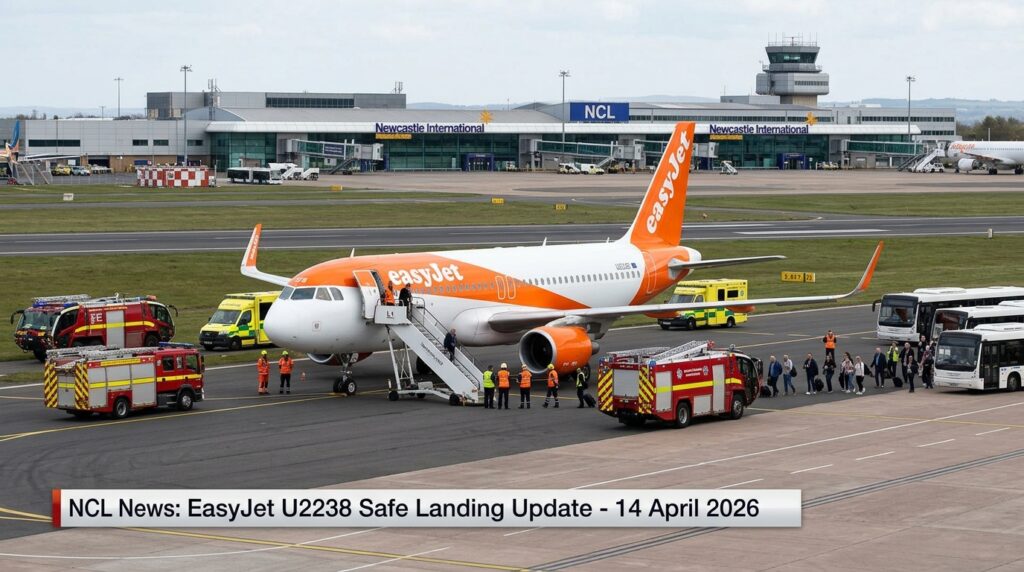
Emergency landings are rare in commercial aviation. However, airlines train extensively for these situations to ensure passenger safety at all times. In this case, the aircraft landed safely, and emergency teams were prepared on the runway as a standard safety precaution.
Commercial aircraft are built with multiple backup systems. Therefore, pilots often choose emergency landings early to avoid unnecessary risks later in the journey.
Timeline of the Newcastle Emergency Landing
Here is a simplified timeline of the easyjet flight u2238 emergency landing newcastle event:
| Time | Event |
|---|---|
| Flight Departure | Aircraft departed normally |
| Mid-Flight Alert | Crew identified a possible issue |
| Emergency Communication | Pilots contacted air traffic control |
| Diversion Decision | Newcastle selected for landing |
| Emergency Landing | Aircraft landed safely |
| Passenger Support | Travelers received assistance |
This quick response highlights how modern aviation systems are designed to manage emergencies efficiently.
Passenger Reactions During the Incident
Passengers onboard described the experience as stressful but controlled. Several travelers mentioned that the cabin crew remained calm throughout the situation. This is extremely important during aviation emergencies because passengers often react based on crew behavior.
Many reports noted that:
- Cabin announcements were clear
- Crew members followed safety procedures
- Emergency services were visible after landing
- Passengers exited the aircraft safely
The professionalism of airline staff often plays a major role in reducing panic during unexpected situations.
EasyJet’s Official Response
easyJet confirmed that passenger safety remained the airline’s top priority during the easyjet flight u2238 emergency landing newcastle incident.
The airline reportedly worked closely with airport authorities and emergency responders to ensure safe handling of the aircraft and passengers. In situations like these, airlines usually conduct technical inspections before allowing the aircraft to return to service.
Airlines also review pilot decisions, maintenance records, and onboard system alerts after emergency events. This helps improve future safety procedures.
You can learn more through the official airline website at easyJet
Emergency Landing Procedures Explained
Many travelers are unfamiliar with how emergency landings actually work. The easyjet flight u2238 emergency landing newcastle incident gives a useful example of modern aviation safety systems in action.
Pilot Decision-Making
Pilots receive extensive simulator training for emergency situations. They follow detailed checklists and communicate directly with air traffic control.
Air Traffic Control Coordination
Once a pilot declares an emergency, controllers prioritize the aircraft immediately. Other flights may be delayed or redirected.
Emergency Services Preparation
Fire crews, medical teams, and airport responders prepare before the aircraft lands. This is standard procedure even if the issue later turns out to be minor.
Passenger Safety Measures
Cabin crew members prepare passengers by:
- Checking seat belts
- Securing loose items
- Reviewing evacuation procedures
- Remaining calm and organized
These actions significantly improve safety outcomes.
Was Anyone Injured?
Reports related to the easyjet flight u2238 emergency landing newcastle incident indicated that the aircraft landed safely and no major injuries were reported.
This outcome reflects the strong safety standards used across commercial aviation worldwide. Modern aircraft technology, combined with professional flight crews, makes commercial flying one of the safest forms of transportation.
Even when emergency landings sound alarming, many are precautionary measures rather than catastrophic situations.
Aviation Safety and Emergency Protocols
The aviation industry operates under extremely strict international safety regulations. Every commercial airline must follow detailed operational standards.
Important aviation safety layers include:
Aircraft Maintenance
Planes undergo regular inspections before and after flights.
Crew Training
Pilots and cabin crew practice emergency situations repeatedly in simulators.
Real-Time Monitoring
Airlines monitor aircraft systems during flights using advanced technology.
International Regulations
Organizations like the Federal Aviation Administration and International Air Transport Association help enforce aviation safety standards globally.
For more information, visit:
- Federal Aviation Administration
- International Air Transport Association
What This Means for Travelers in 2026
The easyjet flight u2238 emergency landing newcastle situation reminds travelers that emergency diversions are part of normal aviation safety planning. While the word “emergency” may sound frightening, pilots are trained to respond quickly and carefully.
Travelers can improve their own flight safety awareness by:
- Listening to safety briefings
- Knowing emergency exit locations
- Remaining calm during delays or diversions
- Following crew instructions immediately
Airlines continue investing heavily in technology and training to make air travel safer every year.
Key Lessons From the Incident
Several important lessons came from the easyjet flight u2238 emergency landing newcastle event:
Safety Decisions Matter
Pilots prioritize safety over schedules or convenience.
Training Saves Lives
Crew preparation helps prevent panic during emergencies.
Emergency Landings Are Controlled Procedures
Most emergency diversions are precautionary rather than catastrophic.
Conclusion
The easyjet flight u2238 emergency landing newcastle incident gained public attention because emergency diversions naturally concern travelers. However, the safe landing and professional response demonstrated how modern aviation safety procedures work in real-world situations.
From pilot training to airport emergency coordination, every part of the aviation system is designed to protect passengers. Although unexpected incidents can happen during air travel, commercial aviation remains one of the safest transportation methods available in 2026.
Passengers onboard the EasyJet flight were safely handled, and the event highlighted the importance of preparation, communication, and fast decision-making in aviation safety.
FAQs
What happened during the easyjet flight u2238 emergency landing newcastle incident?
The flight reportedly diverted to Newcastle after the crew identified a possible onboard issue and requested a priority landing for safety reasons.
Was anyone injured on EasyJet flight U2238?
Available reports indicated that the aircraft landed safely and no major injuries were reported.
Why do airplanes perform emergency landings?
Emergency landings happen when pilots detect technical issues, medical emergencies, smoke warnings, or other safety concerns.
Did emergency teams meet the aircraft in Newcastle?
Yes, emergency response teams were reportedly present as a standard aviation safety procedure.
Is flying still safe after incidents like this?
Yes. Commercial aviation remains one of the safest forms of transportation because airlines follow strict safety procedures and crew training standards.
What happened to passengers after the emergency landing?
After the emergency situation was addressed, the aircraft was refueled and continued its journey to Manchester.
What aircraft operated easyJet flight U2238?
Reports identified the aircraft involved in the incident as an Airbus A320 family aircraft operating the Copenhagen-to-Manchester route.
Were any injuries reported on easyJet flight U2238?
Public reports focused on a passenger requiring urgent assistance. No widespread injuries among other passengers or crew were reported.
