


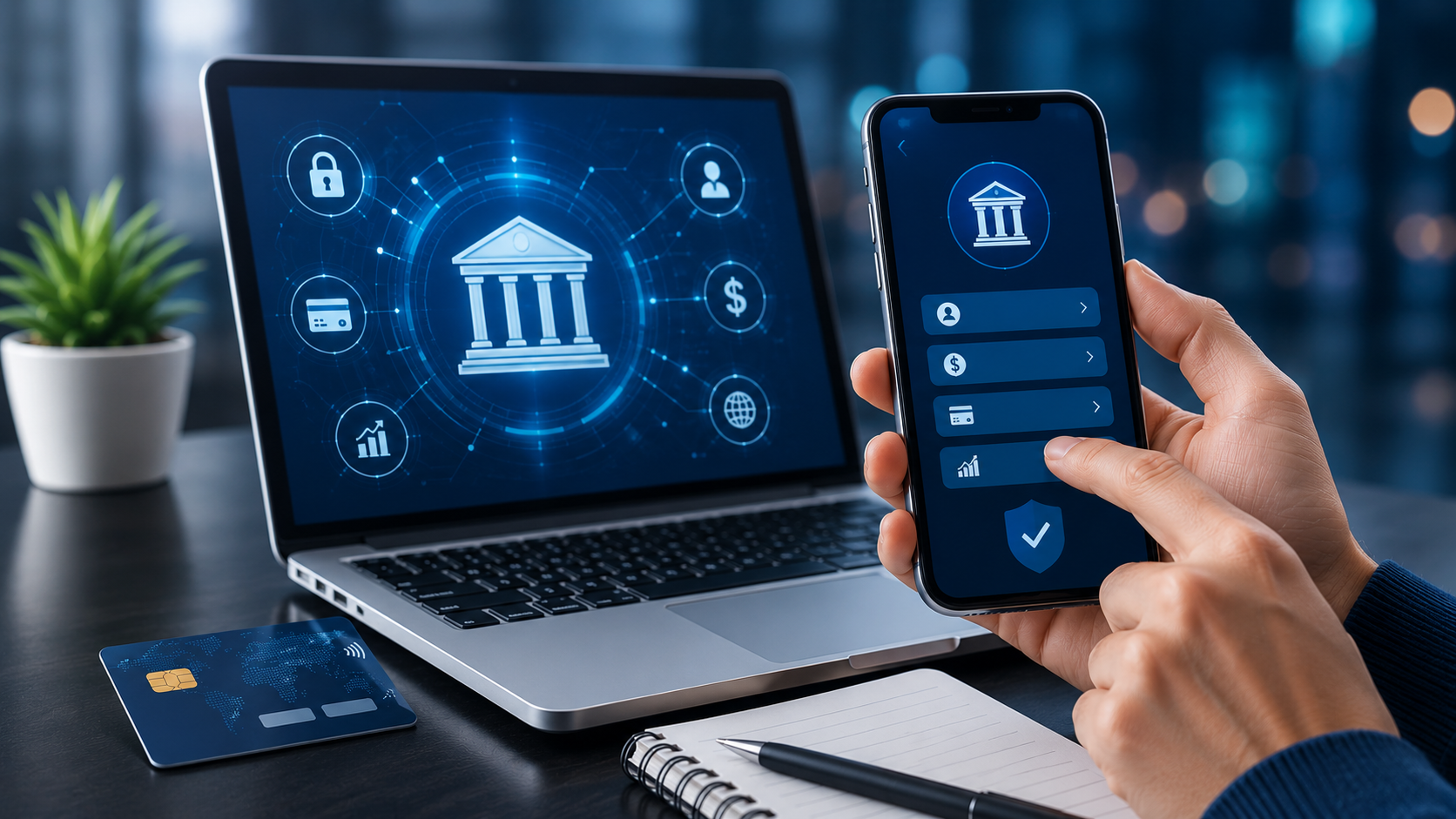
In today’s digital-first world, banking has evolved far beyond traditional branch visits. Consumers now expect instant access to financial services through smartphones, tablets, and computers. This shift has fueled the rise of digital banking platforms, including growing interest in coyyn.com banking and similar fintech-driven solutions.
Modern online banking provides users with convenient tools to manage accounts, transfer funds, monitor spending, and access financial services anytime and anywhere. This comprehensive guide explores the features, benefits, challenges, and future of coyyn.com banking while helping readers understand the growing impact of digital banking in the United States.
Table of Contents
ToggleIntroduction to coyyn.com Banking
Banking technology continues to evolve rapidly. Consumers increasingly prefer digital solutions that offer convenience, speed, and security.
coyyn.com banking represents the broader movement toward modern financial platforms that simplify money management through digital tools. Instead of relying solely on physical branches, users can access banking services online, reducing time and increasing efficiency.
Digital banking solutions are transforming how people save, spend, transfer, and monitor their finances.
What Is Online Banking?
Online banking refers to accessing banking services through internet-connected devices.
Users can perform tasks such as:
- Checking account balances
- Viewing transaction history
- Paying bills
- Sending money
- Managing savings
- Monitoring investments
The primary goal of online banking is to make financial management more accessible and convenient.
Evolution of Digital Banking
The banking industry has experienced major changes over the past two decades.
Banking Timeline
| Period | Major Development |
|---|---|
| 1990s | Basic online banking websites |
| 2000s | Bill payment services |
| 2010s | Mobile banking apps |
| 2020s | AI-powered financial tools |
| Future | Blockchain and automation |
Technology has significantly improved how financial institutions serve customers.
How coyyn.com Banking Works
Digital banking platforms typically operate through secure web portals and mobile applications.
Users generally:
- Create an account
- Verify identity
- Access financial services online
- Manage transactions digitally
- Receive real-time updates
This streamlined approach reduces dependency on physical banking locations.
Key Features of Modern Online Banking
Digital banking platforms commonly provide a wide range of financial services.
Popular Features
- Secure account access
- Mobile banking
- Bill payment services
- Fund transfers
- Transaction monitoring
- Savings management
- Financial reporting
- Security alerts
These tools help users maintain greater control over their finances.
Account Management Tools
Account management is one of the most important aspects of digital banking.
Users can typically:
- Check balances instantly
- Download account statements
- Review transaction history
- Update account information
- Track spending patterns
These features improve financial visibility and decision-making.
Mobile Banking Capabilities
Mobile banking has become a major driver of digital finance growth.
Benefits of Mobile Banking
| Feature | Advantage |
|---|---|
| Mobile Access | Banking anywhere |
| Instant Notifications | Better awareness |
| Mobile Deposits | Increased convenience |
| Digital Transfers | Faster payments |
| Security Controls | Improved protection |
Smartphone access allows customers to manage finances on the go.
Online Payments and Transfers
Digital banking simplifies payment processes.
Common payment options include:
- Peer-to-peer transfers
- Bill payments
- ACH transfers
- Wire transfers
- Scheduled payments
These services reduce transaction times and improve convenience.
Security and Fraud Protection
Security is a top concern for online banking users.
Modern banking platforms typically utilize:
- Multi-factor authentication
- Data encryption
- Fraud detection systems
- Biometric verification
- Secure cloud infrastructure
These security measures help protect sensitive financial information.
User Experience and Accessibility
A successful banking platform must be easy to use.
Key user experience features include:
- Intuitive navigation
- Fast loading speeds
- Mobile-friendly design
- Personalized dashboards
- Accessible account controls
Good design improves customer satisfaction and engagement.
Benefits for Personal Banking
Digital banking offers numerous advantages for individual consumers.
Personal Banking Benefits
- 24/7 account access
- Reduced banking fees
- Faster transactions
- Improved financial oversight
- Easy savings management
- Enhanced security
These benefits contribute to growing adoption of online banking services.
Business Banking Advantages
Businesses can also gain substantial value from digital banking.
Business Features
| Service | Business Benefit |
|---|---|
| Online Payroll | Saves time |
| Expense Tracking | Better budgeting |
| Invoice Payments | Faster processing |
| Cash Flow Analysis | Improved planning |
| Reporting Tools | Better decision-making |
Digital banking solutions help businesses improve efficiency and financial control.
Budgeting and Financial Planning
Many digital banking platforms include budgeting tools.
These tools help users:
- Track expenses
- Set savings goals
- Monitor spending habits
- Manage monthly budgets
- Improve financial discipline
Financial planning features encourage smarter money management.
Automated Banking Services
Automation plays a critical role in modern banking.
Examples include:
- Automatic bill payments
- Recurring transfers
- Savings automation
- Transaction alerts
- Account monitoring
Automation reduces manual effort while improving consistency.
Real-Time Transaction Monitoring
One major advantage of digital banking is instant transaction visibility.
Users receive updates regarding:
- Purchases
- Deposits
- Transfers
- Withdrawals
- Account activity
Real-time monitoring helps detect suspicious activity quickly.
Comparing Online and Traditional Banking
Understanding the differences between online and traditional banking is important.
| Feature | Online Banking | Traditional Banking |
|---|---|---|
| Availability | 24/7 | Limited Hours |
| Convenience | High | Moderate |
| Physical Branches | Limited | Extensive |
| Transaction Speed | Fast | Slower |
| Paperwork | Minimal | More Extensive |
Many consumers prefer digital banking due to its convenience and flexibility.
Challenges of Digital Banking
Despite numerous benefits, digital banking has some challenges.
Potential Drawbacks
- Dependence on internet access
- Cybersecurity risks
- Technical issues
- Learning curve for some users
- Limited face-to-face interaction
Understanding these limitations helps users make informed decisions.
Future Trends in Banking Technology
The future of banking is expected to become increasingly technology-driven.
Emerging innovations include:
- Artificial intelligence
- Machine learning
- Blockchain integration
- Open banking
- Predictive financial insights
These advancements could significantly enhance banking efficiency and personalization.
Why Consumers Prefer Digital Banking
Consumer behavior continues shifting toward online financial services.
Top Reasons
| Reason | Benefit |
|---|---|
| Convenience | Access anytime |
| Speed | Faster transactions |
| Transparency | Better financial tracking |
| Automation | Reduced effort |
| Security | Advanced protection |
Digital banking aligns with modern consumer expectations.
The Role of Financial Technology
Fintech innovations continue shaping the future of banking.
Key areas of innovation include:
- Digital wallets
- Contactless payments
- AI-powered assistants
- Personalized banking
- Enhanced cybersecurity
Financial technology helps create more efficient and user-friendly banking experiences.
Online Banking and Financial Inclusion
Digital banking can expand financial access for underserved populations.
Benefits include:
- Lower operating costs
- Wider geographic reach
- Simplified account opening
- Mobile accessibility
- Reduced barriers to entry
As technology becomes more widespread, digital banking may improve financial inclusion across communities.
Building Trust in Digital Banking
Trust remains essential for the success of online financial services.
Banks and fintech companies build trust through:
- Transparent policies
- Strong security practices
- Reliable customer support
- Regulatory compliance
- Consistent performance
Customer confidence is critical for long-term adoption.
Final Thoughts
coyyn.com banking reflects the broader transformation occurring throughout the financial services industry. As technology continues to evolve, digital banking solutions are becoming more accessible, secure, and efficient.
From account management and mobile banking to automated payments and advanced security systems, online banking offers numerous benefits for both individuals and businesses. While challenges such as cybersecurity concerns and internet dependence remain important considerations, ongoing innovation continues to improve the digital banking experience.
For modern consumers seeking flexibility, convenience, and control over their finances, digital banking represents the future of financial management.
Frequently Asked Questions (FAQs)
1. What is coyyn.com banking?
Coyyn.com banking generally refers to digital banking concepts and online financial management solutions designed to provide convenient and secure banking experiences.
2. How does online banking work?
Online banking allows users to access financial services through websites or mobile applications using secure internet connections.
3. Is digital banking safe?
Most digital banking platforms use encryption, multi-factor authentication, and fraud monitoring systems to enhance security.
4. Can businesses use digital banking services?
Yes. Businesses often use digital banking for payroll, expense management, payments, reporting, and cash flow monitoring.
5. What are the main benefits of digital banking?
Key benefits include convenience, 24/7 accessibility, faster transactions, lower costs, and improved financial visibility.
6. What devices support online banking?
Online banking is typically available on smartphones, tablets, laptops, and desktop computers.
7. What is the future of digital banking?
The future includes AI-powered financial tools, blockchain integration, personalized services, automation, and enhanced cybersecurity solutions.
