


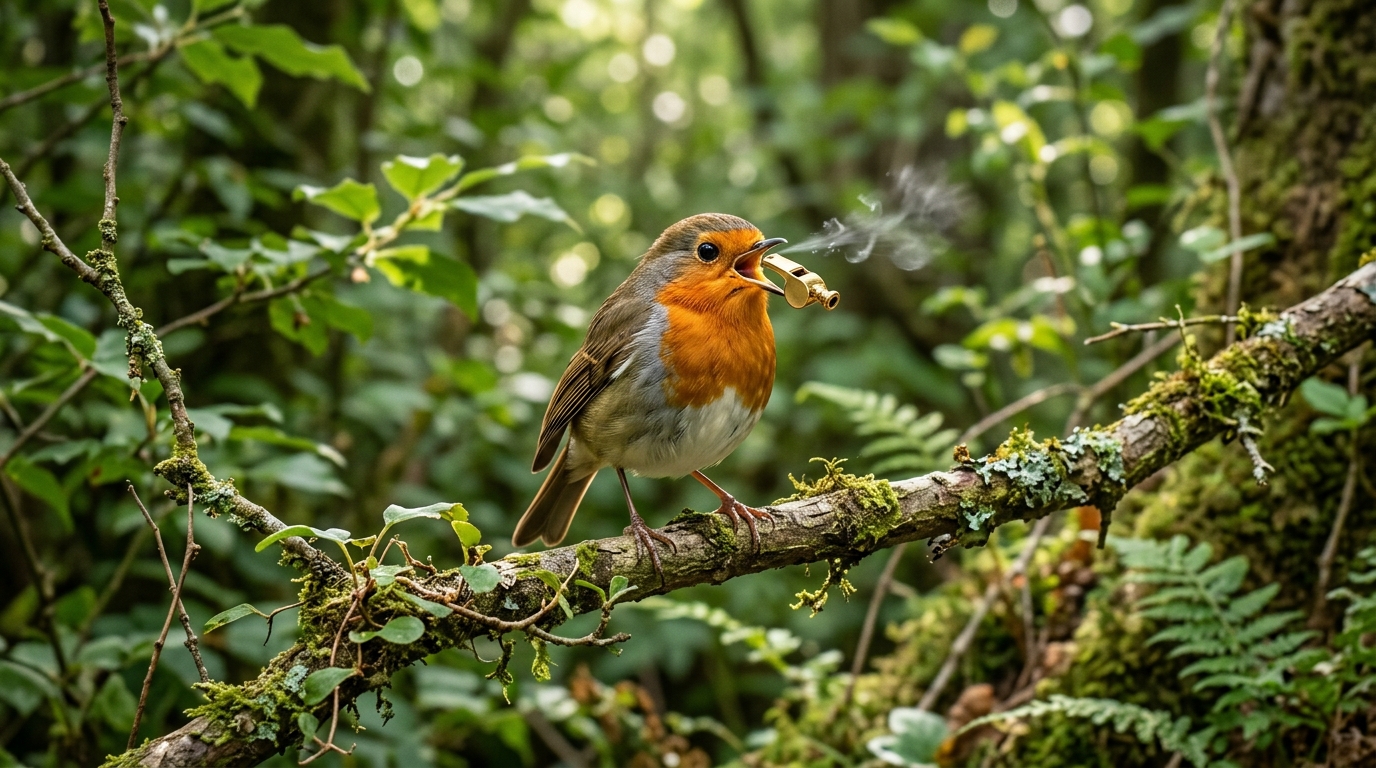
Bird enthusiasts across the United States are increasingly searching for information about the whistleblew bird. Known for its unique vocalizations and fascinating behaviors, this bird has become a topic of interest among birdwatchers, wildlife photographers, and nature lovers. Whether you are a beginner or an experienced birder, understanding the whistleblew bird can help you appreciate the incredible diversity of avian life.
This updated 2026 guide covers everything you need to know about the whistleblew bird, including its appearance, habitat, diet, behavior, conservation status, and much more.
What Is the Whistleblew Bird?
The whistleblew bird is often described as a distinctive bird recognized for its clear whistling calls and remarkable adaptability. Birdwatchers frequently identify it by its unique sound before spotting it visually.
Although regional descriptions may vary, the whistleblew bird is generally associated with woodland environments, open grasslands, and areas where food sources are abundant. Its vocal abilities make it one of the more memorable birds observed in nature.
The growing popularity of birdwatching in the USA has increased interest in species like the whistleblew bird. As a result, more people are learning how to recognize and protect these fascinating creatures.
History and Background of the Whistleblew Bird
The history of the whistleblew bird is closely connected to local folklore and birdwatching traditions. In many communities, birds with distinctive whistles have long been celebrated for their beautiful songs and seasonal appearances.
Naturalists have documented whistle-like bird calls for centuries. These observations helped researchers understand how birds communicate, establish territory, and attract mates.
Today, modern birdwatchers continue to study the whistleblew bird, contributing valuable data about migration patterns, nesting behavior, and population trends.
Physical Characteristics
Size and Shape
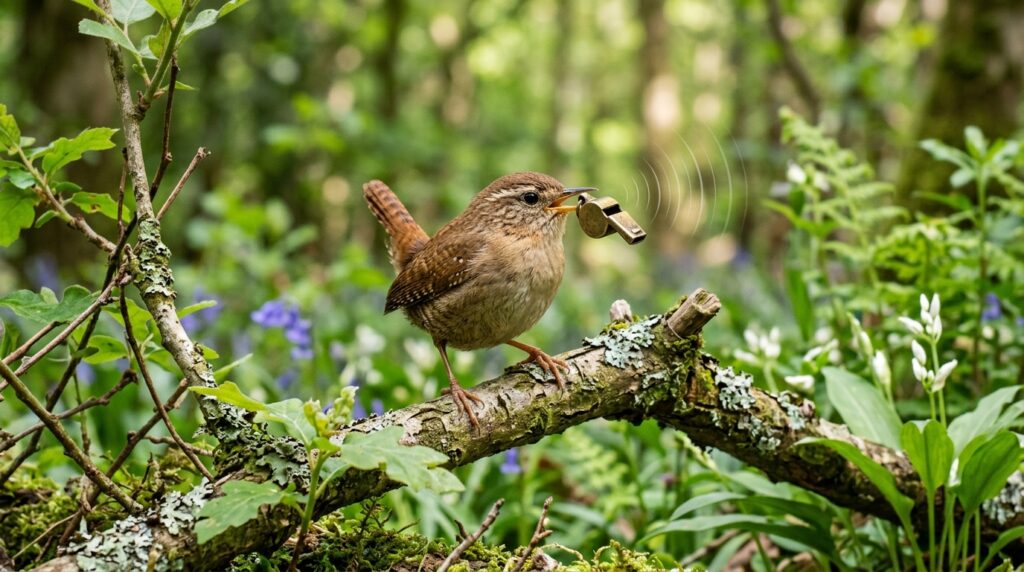
The whistleblew bird typically displays a balanced body structure that allows it to move efficiently through trees, shrubs, and open landscapes. Its streamlined shape supports both short flights and extended travel when necessary.
Feather Colors
Many observations describe the whistleblew bird as having attractive feather patterns that blend naturally with its surroundings. These colors help provide camouflage from predators while supporting survival in various habitats.
Beak and Eyes
The bird’s beak is usually adapted to its feeding habits, enabling it to consume seeds, insects, fruits, or other food sources. Sharp eyesight allows the whistleblew bird to detect food and potential threats quickly.
Habitat and Distribution
The whistleblew bird can be found in a variety of environments. Habitat preferences often depend on food availability, nesting opportunities, and climate conditions.
Forest Regions
Woodlands and forest edges provide shelter and nesting locations. Trees offer protection from predators while supplying insects and fruits for feeding.
Grasslands and Open Areas
Many sightings occur in open meadows and grasslands where birds can easily search for food and communicate through their distinctive calls.
Urban Adaptation
In some regions, the whistleblew bird has adapted successfully to parks, gardens, and suburban environments. This adaptability has helped maintain stable populations in areas affected by human development.
Diet and Feeding Habits
The whistleblew bird follows a varied diet that changes with seasonal conditions and local food availability.
Common food sources include:
- Insects
- Seeds
- Berries
- Fruits
- Small invertebrates
During warmer months, insects often provide important nutrients for growth and reproduction. In colder seasons, seeds and fruits may become primary food sources.
Birdwatchers frequently observe whistleblew birds feeding during early morning and late afternoon when activity levels are highest.
Behavior and Communication
Distinctive Whistling Calls
One of the most recognizable features of the whistleblew bird is its vocal communication. These whistles can serve several purposes, including:
- Territory defense
- Mate attraction
- Flock coordination
- Warning signals
The sound patterns may vary based on location, age, and environmental conditions.
Social Behavior
Some whistleblew birds are observed alone, while others gather in small groups. Social interactions often increase during migration and breeding periods.
Daily Activity
The whistleblew bird tends to be most active shortly after sunrise and before sunset. During these times, feeding and vocal activity are especially noticeable.
Breeding and Reproduction
The breeding season plays a critical role in the survival of the whistleblew bird population.
Nest Building
Birds carefully select nesting locations that provide safety and easy access to food. Nests may be constructed using:
- Twigs
- Grass
- Leaves
- Soft plant materials
Egg Incubation
After laying eggs, parents share incubation responsibilities. This cooperation helps ensure successful development of the young birds.
Raising Chicks
Once chicks hatch, both parents usually participate in feeding and protection. Young birds grow rapidly and learn essential survival skills before leaving the nest.
Importance in the Ecosystem
The whistleblew bird contributes significantly to ecosystem health.
First, it helps control insect populations through regular feeding activities. This natural pest management benefits both wild habitats and agricultural areas.
Second, the bird assists with seed dispersal. As it consumes fruits and berries, seeds are transported to new locations, supporting plant growth and biodiversity.
Finally, the whisteblew bird serves as an indicator species. Changes in its population can reveal important information about environmental health and habitat quality.
Conservation and Threats
Like many bird species, the whistlblew bird faces several environmental challenges.
Habitat Loss
Urban expansion and land development can reduce available nesting and feeding areas.
Climate Change
Changing weather patterns may influence migration timing, breeding success, and food availability.
Pollution
Air, water, and soil pollution can negatively affect bird populations and ecosystem stability.
Conservation Efforts
Wildlife organizations, birdwatching groups, and conservation agencies continue working to protect bird habitats. Public awareness and responsible environmental practices can help support whistlblew bird populations for future generations.
Interesting Facts About the Whistleblew Bird
Here are some fascinating facts:
- The whistlblew bird is best known for its clear and memorable whistle-like calls.
- It can adapt to a variety of habitats.
- Many birdwatchers identify the species by sound before sight.
- Its feeding habits help maintain ecological balance.
- The bird contributes to natural seed dispersal.
- Early morning is often the best time to hear its distinctive calls.
- It plays an important role in biodiversity conservation.
How to Spot a Whistleblew Bird
If you want to observe a whistlblew bird, consider these practical tips:
Listen Carefully
The bird’s whistle is often easier to detect than its appearance. Learning its call can greatly improve identification success.
Visit During Peak Activity
Early morning and late afternoon provide the best opportunities for sightings.
Bring Binoculars
Quality binoculars help you observe feather details and behaviors without disturbing the bird.
Explore Natural Habitats
Parks, nature reserves, forests, and grasslands often provide ideal viewing locations.
Stay Patient
Birdwatching rewards patience. Remaining quiet and observant increases the likelihood of seeing a whistllew bird.
Conclusion
The whistlblew bird continues to capture the attention of bird enthusiasts thanks to its distinctive calls, adaptable nature, and ecological importance. From its feeding habits and breeding behavior to its role in maintaining ecosystem balance, this remarkable bird offers countless opportunities for observation and study.
As interest in wildlife conservation grows throughout the United States, understanding and protecting the whistleblew bird becomes increasingly important. By preserving habitats and supporting conservation efforts, future generations can continue enjoying the beauty and unique sounds of the whistlblew bird.
FAQs
What is a whistleblew bird?
A whistlblew bird is a bird recognized for its distinctive whistling vocalizations and adaptable behavior in various habitats.
Where can I find a whistleblew bird in the USA?
You may find whistlblew birds in forests, grasslands, parks, nature reserves, and suburban green spaces.
What does a whistleblew bird eat?
Its diet commonly includes insects, seeds, fruits, berries, and small invertebrates.
Why is the whistleblew bird important?
The bird helps control insect populations, disperses seeds, and contributes to ecosystem health.
How can I identify a whistleblew bird?
Listening for its unique whistle-like calls and observing its habitat preferences are among the best identification methods.
